 :
:
Northwest University and Kazakhstan Strengthen Silk Road Archaeology Cooperation: Opportunities to Study in China in 2027
Sep,04 2026
In July 2026, Northwest University (NWU) and Al-Farabi Kazakh National University (KazNU) successfully completed their first joint archaeological expedition in the Altai Mountains of East Kazakhstan.
Led by experts from both universities, the joint research team conducted archaeological excavation and regional surveys in the Lake Markakol area, focusing on sites associated with the Pazyryk culture.
The expedition has produced new archaeological evidence for the study of early nomadic civilisations in the Altai region and the wider Eurasian steppe, while further strengthening academic cooperation between China and Kazakhstan.
New Archaeological Findings in the Altai Mountains
During the expedition, researchers excavated Pazyryk culture tombs in the Lake Markakol area and uncovered a variety of archaeological materials.
The findings have included human remains, pottery, gold foil pieces, horse bones and iron horse equipment, providing further material for research into the burial practices and material culture of communities associated with the Pazyryk culture.
The research team also conducted a systematic regional survey of archaeological sites in the area, documenting more than 50 Pazyryk-era tombs and identifying previously unrecorded tomb structures.
These discoveries have provided valuable data for understanding early nomadic civilisations in the Altai region and their place within the wider history of the Eurasian steppe.
The expedition has also highlighted the role of international cooperation in archaeological research. By combining fieldwork and research expertise from China and Kazakhstan, the project has contributed to a broader understanding of the region's archaeological and cultural heritage.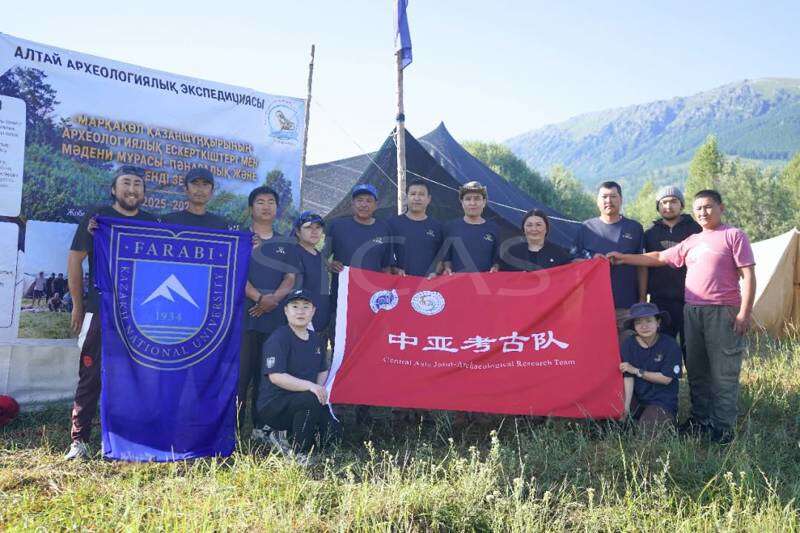
About Northwest University
Northwest University is a comprehensive university located in Xi’an, Shaanxi Province, China. With origins dating back to 1902, the university has developed a strong academic tradition in archaeology, history, geology and related fields.
Northwest University is a Double First-Class university and a member of China’s 211 Project. Archaeology and geology are among its national Double First-Class disciplines.
The university has also developed extensive academic cooperation related to the Silk Road. Its Collaborative Research Centre for Archaeology of the Silk Roads has supported archaeological research, cultural heritage conservation, international cooperation and talent development across regions connected by the historic Silk Road.
Through its research and international partnerships, Northwest University has been involved in archaeological projects and academic exchanges across Central Asia and other areas associated with the Silk Road.
China–Kazakhstan Cooperation in Silk Road Archaeology
The cooperation with Al-Farabi Kazakh National University has further expanded academic connections between Northwest University and Kazakhstan.
The latest expedition has combined archaeological excavation with regional investigation, allowing researchers to study both individual tombs and the wider archaeological landscape around Lake Markakol.
The two universities are expected to continue their cooperation in 2027 through further archaeological excavation and regional surveys, as well as data analysis, multidisciplinary research, young archaeologist training and academic exchange.
Such cooperation provides researchers with opportunities to share fieldwork experience and research methods, while contributing to the study and preservation of cultural heritage along the Silk Road.
Study Archaeology and Related Subjects in China
The archaeological cooperation between China and Kazakhstan also reflects the broader academic value of studying the history and cultural heritage of the Silk Road.
International students interested in this area can explore degree programmes and research opportunities in subjects such as Archaeology, History, Cultural Heritage, Anthropology, Chinese History and Asian Studies, depending on the university and programme.
Studying archaeology in China can provide students with opportunities to explore Chinese civilisation as well as the historical connections between China, Central Asia and other parts of Asia.
Related fields such as cultural heritage and Silk Road studies can also offer academic pathways for students whose interests extend beyond archaeology itself.
Opportunities for Central Asian Students to Study in China
The development of academic cooperation between Chinese and Central Asian universities has created opportunities for students from the region to pursue higher education in China.
Students from Kazakhstan, Uzbekistan, Kyrgyzstan and other Central Asian countries can explore undergraduate and postgraduate programmes in a wide range of disciplines, including archaeology, history, cultural heritage, engineering, economics and international studies.
Chinese language education can also form part of this academic exchange. Recent examples of young people from Kyrgyzstan learning Chinese and progressing towards further study in China have shown how language learning can support educational connections between Central Asia and China.
For students considering Study in China 2027, these developments offer a broader perspective on the academic links between China and Central Asia.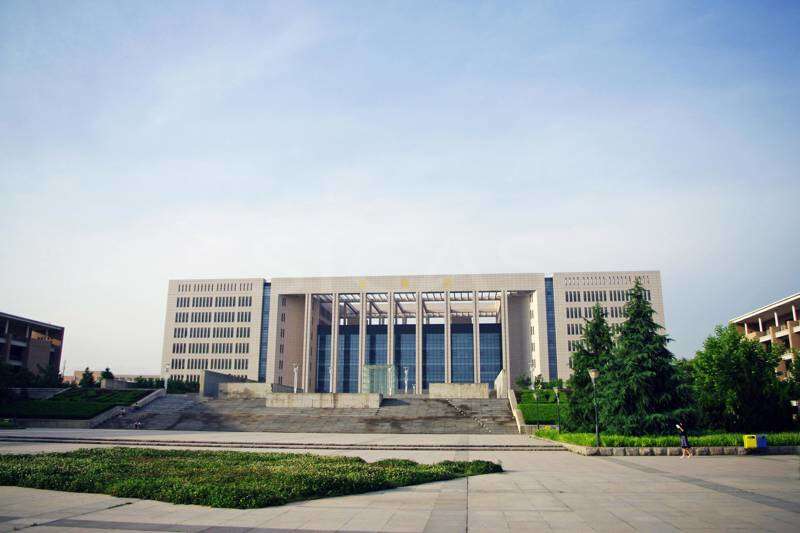
Silk Road Scholarship Opportunities for Central Asian Students
The development of academic cooperation between China and Central Asia has also been accompanied by scholarship opportunities for international students.
The Chinese Government Scholarship – Silk Road Program is one option available through participating Chinese universities. Depending on the university, programme and academic year, scholarship packages may include tuition coverage, accommodation, a monthly living allowance and medical insurance.
For Master’s and PhD applicants, eligibility, participating programmes, scholarship benefits and application deadlines can vary between universities and academic years. Students interested in the 2027 intake should therefore refer to the requirements published by individual participating universities.
For Central Asian students interested in archaeology, history, cultural heritage and other postgraduate fields, the programme is one possible route for further study in China.
Study in China in 2027
The China–Kazakhstan archaeological expedition is one example of the growing academic connections between China and Central Asia.
For international students, these connections extend across a wide range of academic fields. Chinese universities offer programmes in archaeology, history and cultural heritage alongside subjects in science, engineering, economics, business and other disciplines.
Students interested in Silk Road archaeology, archaeology in China or related subjects can explore Chinese universities and degree programmes for the 2027 intake.
SICAS provides information on Chinese universities, degree programmes, scholarships and admission requirements, helping international students explore study opportunities across China.
Related Articles
How Learning Chinese Is Bringing Kyrgyz Youth Closer to China
Zhejiang University Graduate Students Explore Mechanical Engineering Cooperation in Europe
About SICAS
SICAS (Study In China Admission System) is a platform for international students interested in studying in China. It provides information on Chinese universities, degree programmes, scholarships and admission requirements, helping students explore study opportunities across China.