 :

What Nobody Tells You About Doing a Master's in China
Nov,16 2026
Everyone talks about getting into a master's programme in China. Almost nobody talks about what the two or three years inside it actually feel like. If you are planning to study in China at graduate level, here is the honest version — the things current students say they wish someone had told them before they arrived.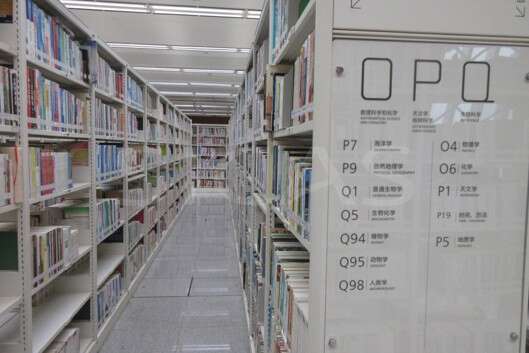
Your Supervisor Is Your Programme
At undergraduate level, you can float through a semester barely knowing your lecturers. A master's does not work like that. Your supervisor decides your research topic, your lab or office, your funding tasks and, realistically, how smoothly you graduate. The students who thrive are not always the smartest — they are the ones who communicate: who bring draft work early, who ask questions before problems grow, and who treat the supervisor relationship as a professional one. Choose your supervisor for their accessibility and their projects, not only for their reputation.
There is a second reason this choice matters: your lab becomes your community. International students who study in China for a master's spend more waking hours with their labmates than with anyone else, and a lab with a culture of shared meals, mixed Chinese-international teams and regular group meetings will carry you through the hard months of thesis writing. You can sense this culture in the first video call — so ask to meet the current students before you accept any offer.
Coursework Is the Easy Part
The coursework phase feels like an extension of your bachelor's, and it lulls people into complacency. The real master's begins when the thesis does. Students who struggle usually made the same mistake: they treated the research proposal as a formality instead of the foundation. A proposal that defines a real question, with a method you can actually execute, saves you a year of pain. If your Chinese is still growing, our guide to language requirements and HSK explains how far English alone will carry you — and where it will not.
Money Stress Is Real but Manageable
A scholarship that covers tuition and accommodation still leaves you facing daily choices. The students who study in China comfortably on a modest budget share one habit: they learned local prices fast, cooked more than they planned, and kept a small emergency fund untouched. Our realistic monthly budget breakdown gives you the numbers in words before you arrive, so the first month is not a shock.
The Degree Is a Beginning, Not an Ending
A Chinese master's opens doors that are hard to see from the outside: engineering projects with major companies, research collaborations, and PhD tracks that value your lab experience. But those doors open for students who treated their thesis as work experience — who published, who presented, who can show what they built. The ones who treated the degree as a waiting room for a job found the waiting room crowded.
Read More
· What Nobody Tells You About Studying in China on a Full Scholarship
· Can Silk Road Scholarship Students Do Internships in China? Rules, Timing and How to Start
Apply Now: https://www.sicas.com.cn/Account/SignUp to create your SICAS account and get matched with master's programmes that fit your background.