 :
:
Clinical Internships for International Medical Students in China
Jul,22 2026
Wondering how clinical internships work for international medical students in China? Learn about teaching hospitals, language requirements, internship locations, supervision, and how to prepare for clinical training.
Introduction
For many international students, getting accepted into an MBBS programme is only the beginning.
The real question is:
What happens when you finally enter the hospital?
Clinical internship is where medical knowledge becomes real patient care. It is also the stage that many applicants understand the least before choosing a university.
At SICAS, one of the most common questions we receive is:
"Will I complete my clinical internship in China or my home country?"
The answer depends on the university, the regulations of your home country, and your long-term career plans.
This guide explains how clinical internships for international medical students in China are organised, what you can expect during hospital rotations, and how to choose a university that provides meaningful clinical experience.
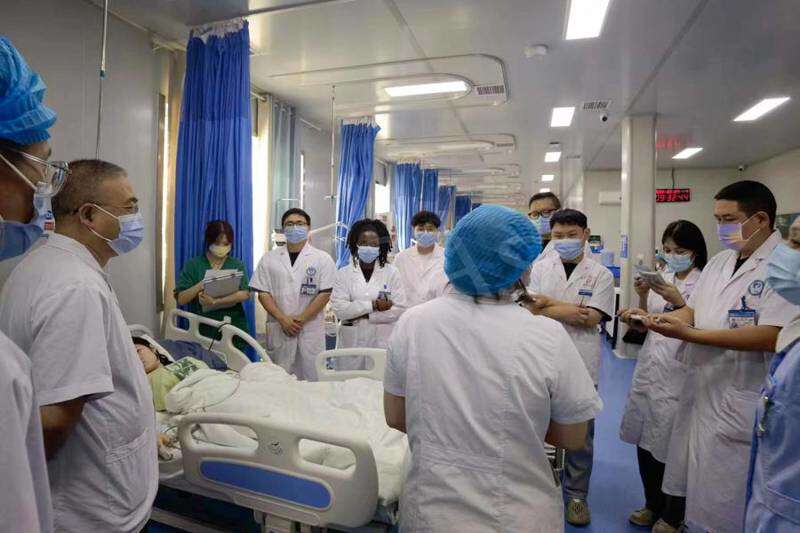
What Is a Clinical Internship?
A clinical internship is the practical training phase of an MBBS programme.
Instead of attending lectures every day, students work in hospitals under the supervision of experienced physicians.
During this period, students gradually learn to:
take medical histories
perform physical examinations
observe clinical procedures
participate in ward rounds
communicate with patients
discuss treatment plans
develop clinical reasoning
For most MBBS programmes in China, the internship is completed during the final academic year.
Why Clinical Training Matters
Many students compare tuition fees, rankings and scholarships when choosing a university.
Experienced doctors, however, often judge a medical school by a different standard:
How strong is its clinical training?
Excellent clinical education depends on much more than classroom teaching.
Medical universities invest heavily in:
affiliated teaching hospitals
specialist departments
simulation laboratories
experienced clinicians
modern diagnostic equipment
structured supervision
This is one reason why quality MBBS education is never "cheap," even though tuition fees in China remain relatively affordable compared with many Western countries.
Where Do International Students Complete Their Clinical Internship?
This is one of the most frequently asked questions.
Most international students have three possible pathways.
Option 1 — Internship in China
Many universities allow international students to complete their internship in affiliated teaching hospitals in China.
Advantages include:
exposure to large patient volumes
experienced clinical supervisors
structured hospital rotations
immersion in China's healthcare system
For students considering postgraduate study in China, this is often the preferred option.
Option 2 — Internship in Your Home Country
Some universities allow students to complete their internship in hospitals approved by both the university and local authorities.
This option may be suitable if:
your licensing authority requires local internship experience
you intend to practise medicine immediately after graduation
you wish to build professional connections at home
University approval is usually required before internship arrangements can be finalised.
Option 3 — Hybrid Arrangements
Certain universities may allow part of the internship to be completed in China and part overseas, depending on institutional policies.
Students should always confirm current regulations before applying.
What Departments Will You Rotate Through?
Clinical rotations normally include the core disciplines of medicine.
These commonly include:
Internal Medicine
General Surgery
Paediatrics
Obstetrics and Gynaecology
Emergency Medicine
Orthopaedics
Psychiatry
Community Medicine
Elective rotations may also be available depending on hospital capacity.
Do You Need Chinese During Clinical Internship?
This is probably the biggest concern for English-taught MBBS students.
The reality is straightforward.
Lectures may be taught in English, but patients in Chinese hospitals usually communicate in Chinese.
For this reason, most universities require international medical students to study medical Chinese throughout the programme.
Students who develop stronger Chinese communication skills generally gain much more from their clinical training.
How Are Students Supervised?
Clinical internships are not independent practice.
Students work under licensed physicians who supervise patient interactions and clinical procedures.
Depending on the hospital and department, students may:
observe consultations
assist with examinations
attend ward rounds
discuss patient cases
practise clinical documentation
Responsibilities increase gradually as competence improves.
Can You Complete Your Internship Outside China?
Yes—but not always.
Many universities allow overseas internships only when:
the hospital meets university requirements
formal approval is obtained
supervision standards are equivalent
documentation is completed before placement
Requirements vary significantly between universities.
Applicants should verify internship policies before accepting an admission offer.
How to Choose a University with Strong Clinical Training
Not all MBBS programmes provide the same clinical experience.
When comparing universities, consider:
number of affiliated teaching hospitals
hospital reputation
patient volume
specialist departments
internship supervision
graduate outcomes
recognition in your home country
These factors often matter more than small differences in tuition fees.
How SICAS Helps Future MBBS Students
Choosing a medical university is not simply about obtaining an admission letter.
Through partnerships with Chinese medical universities, SICAS helps international students compare:
internship arrangements
teaching hospitals
scholarship opportunities
admission requirements
CSCA requirements
degree recognition
career planning after graduation
Because internship policies differ between universities, personalised guidance can help students avoid choosing a programme that does not match their long-term licensing goals.
👉 Talk to a SICAS Admissions Adviso
Final Thoughts
Clinical internship is where future doctors develop the practical skills that textbooks alone cannot teach.
Whether you complete your internship in China or your home country, the quality of your clinical training will have a lasting impact on your confidence, competence and future career.
When choosing an MBBS programme, don't focus only on tuition fees, rankings or scholarships.
Look closely at the hospitals, the clinical environment and the support you will receive during your internship.
Those experiences will shape the doctor you become.
Frequently Asked Questions
Can international students complete clinical internships in China?
Yes. Most MBBS programmes include clinical internships in affiliated teaching hospitals, although some universities also approve internships overseas.
How long is the clinical internship?
Most MBBS programmes include approximately one year of clinical internship during the final stage of the programme.
Do I need to speak Chinese?
Basic Chinese communication skills are highly recommended because most patients speak Chinese.
Can I do my internship in my home country?
Many universities allow this, subject to approval and local licensing requirements.
Are internships paid?
Generally, clinical internships are part of the academic programme and are not salaried.
Which hospitals do students train in?
Most universities use affiliated teaching hospitals that provide structured supervision and exposure to multiple medical specialties.
Is clinical internship compulsory?
Yes. Clinical internship is a required component of virtually all recognised MBBS programmes.
Will internship affect my medical licence?
The internship itself does not automatically grant medical registration. Whether it satisfies licensing requirements depends on the regulations in the country where you intend to practise.
Can I choose my hospital?
Some universities offer limited flexibility, but placements are usually assigned through affiliated teaching hospitals.
How can SICAS help?
SICAS helps students compare universities, understand internship arrangements, prepare application documents, and choose programmes that align with their long-term career and licensing goals.